How data is helping us tackle pet obesity
Pet obesity data can paint a concerning picture, as the figures show that the number of overweight pets is still on the rise. But data can also help researchers and veterinarians find new ways to...

Could science hold the answer to senior cats' picky palate?
Insights from a new Waltham study may make mealtime easier for owners of older or fussy cats. And the answer could be as simple as warming their food. The research team wanted to find out if the ...

6 things you need to know about puppy care
Puppyhood is a critical time for our four-legged companions. How a puppy is fed and cared for at this early stage plays a crucial role in their overall health and wellbeing as they mature into adultho...

Dog food and nutrition for all ages
All dogs need a complete and balanced diet to thrive. They require about 40 essential nutrients in the right form and amount to deliver complete nutrition. Water is the most vital nutrient for life. I...

Beyond the Bowl: Pioneering the Sensory Science Behind Pet Nutrition
Through research into palatability, Waltham Petcare Science Institute is advancing what’s known about the sensory factors that influence pets’ food experiences. Dr. Scott McGrane, Senior Research Mana...
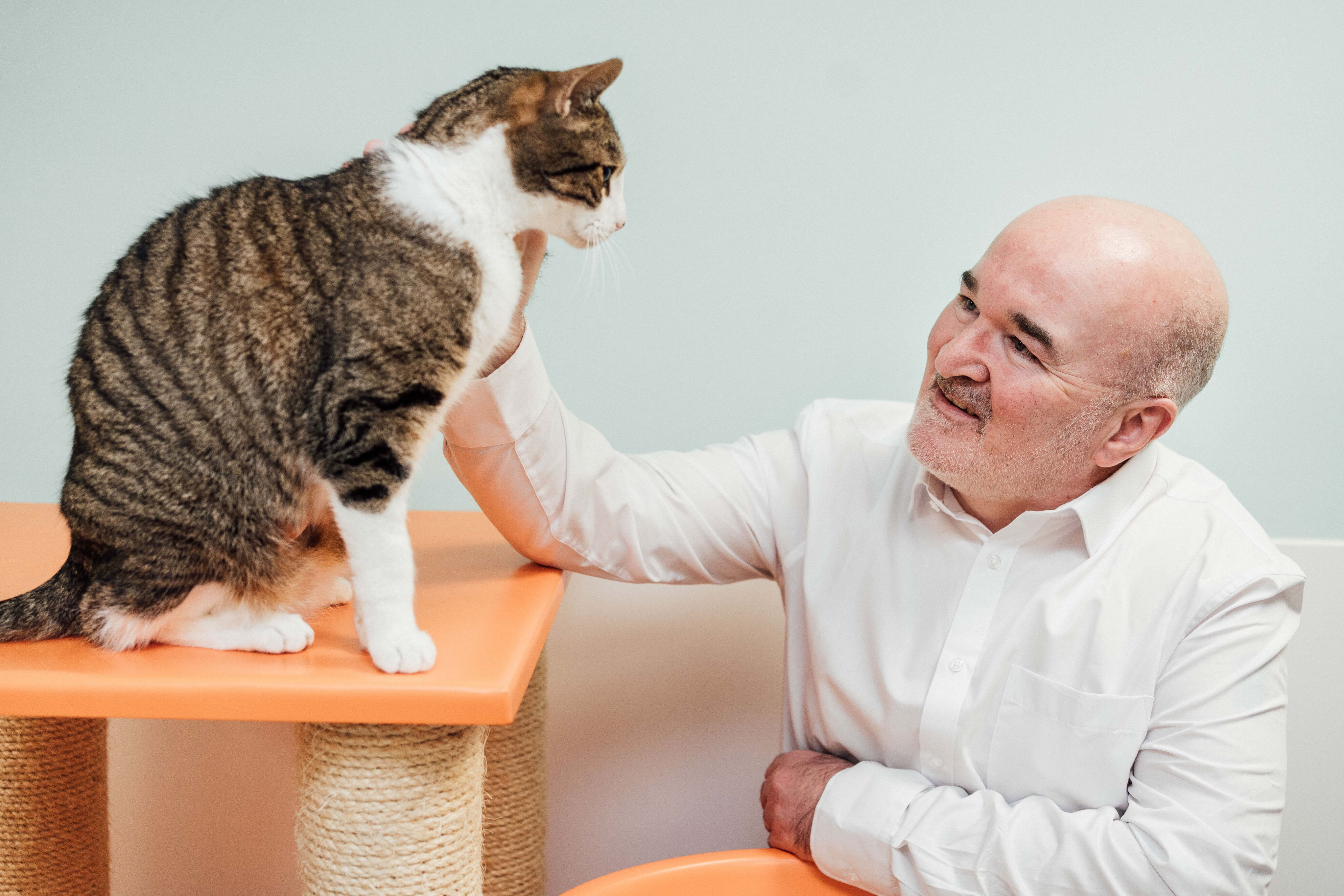
What is the microbiome and why does it matter for pets?
We're advancing microbiome research because the more we understand about the combinations of bacteria, the better equipped we are to prevent diseases and improve pets' nutrition. But what have we lear...

Why monitor your dog's feces?
Cleaning up dogs' excrement is probably one of least admirable tasks of looking after a pet. But it's important to pay attention when scooping it up. Just like ours, a dog's feces can provide informat...

The power of fecal analysis
Let’s take it back to basics. The foods and liquids we consume enter our digestive tract, which is essentially a tube that goes from our mouth to our anus. The body secretes enzymes and biochemicals i...
