Study to examine why therapeutic horseback riding has positive and long-lasting effects on children with autism spectrum disorder
Autism Spectrum Disorder (ASD) is notoriously challenging to treat. As the Mayo Clinic says, there is no “one size fits all” treatment. That is why, when a study shows a treatment that enables ch...

VMX2020: How technology can drive preventive pet care
Our biomarkers research and pet obesity insights have been instrumental in the development of some of these tools, which aim to promote proactive pet health and wellness.Join leadi...

AI-driven diagnostic can predict chronic kidney disease in cats two years early
Antech Diagnostics, part of Mars Petcare, has launched a new diagnostic tool that was developed using artificial intelligence and veterinary records. The resulting biomarker model allows the accurate ...

Therapy dogs can help boost college students' attention, memory and help them tackle stress
New research from Washington State University with support from the Waltham Petcare Science Institute has revealed animal-assisted stress intervention may help university students at high risk of...

Pets against loneliness
7 May 2019 - Experts in public health, research, psychology, gerontology, and veterinary medicine are gathering in Washington, D.C. for the first-ever Social Isolation, Loneliness and Companion Animal...

Genetic testing for dogs can help identify diseases and enable preventive care
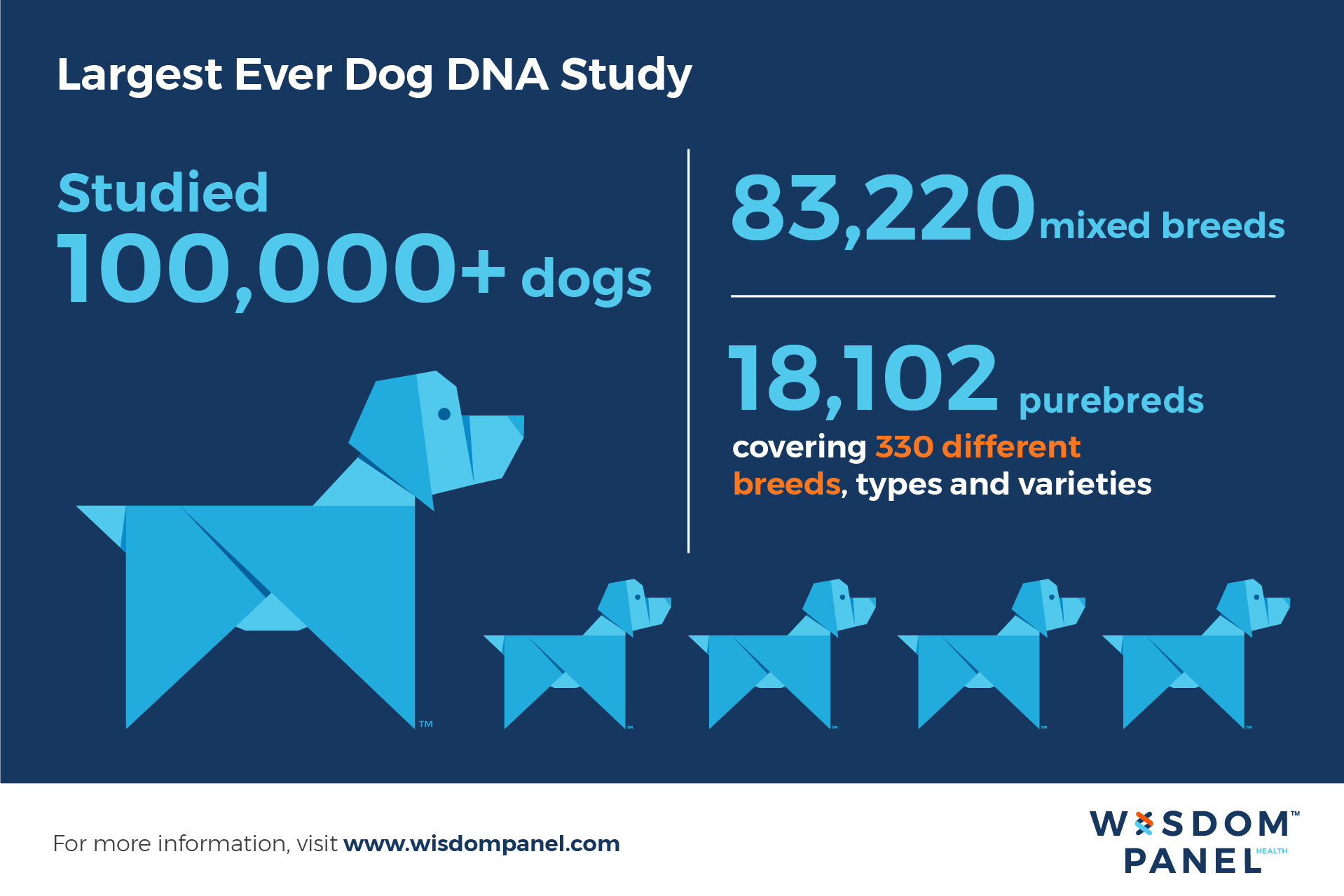
Results from the largest ever study of its kind show that genetic testing can predict if a dog is at risk for developing certain diseases. The study “Frequency and distribution of 152 genetic disease ...
Pets can support healthy ageing: a guide to successful pet ownership
The global population is ageing. According to recent UN data, the number of persons aged 60 years or over is expected to more than double by 2050, and to more than triple by 2100.This will have i...

Creature comforts: pet dogs provide stress relief for children
It’s not unusual to see a child clinging to a parent’s leg and visibly shrinking to avoid someone unfamiliar. They react in this way because for young children meeting someone new can be relatively s...
